

Explore Our Informative Blog Posts
- All
- Agro-Forestry
- Apiculture
- Aquaculture
- Crops
- Environment / Climate Change
- Livestock
- Manpower / Capacity Building
- Policy and Legislation
- Poultry
- Technology
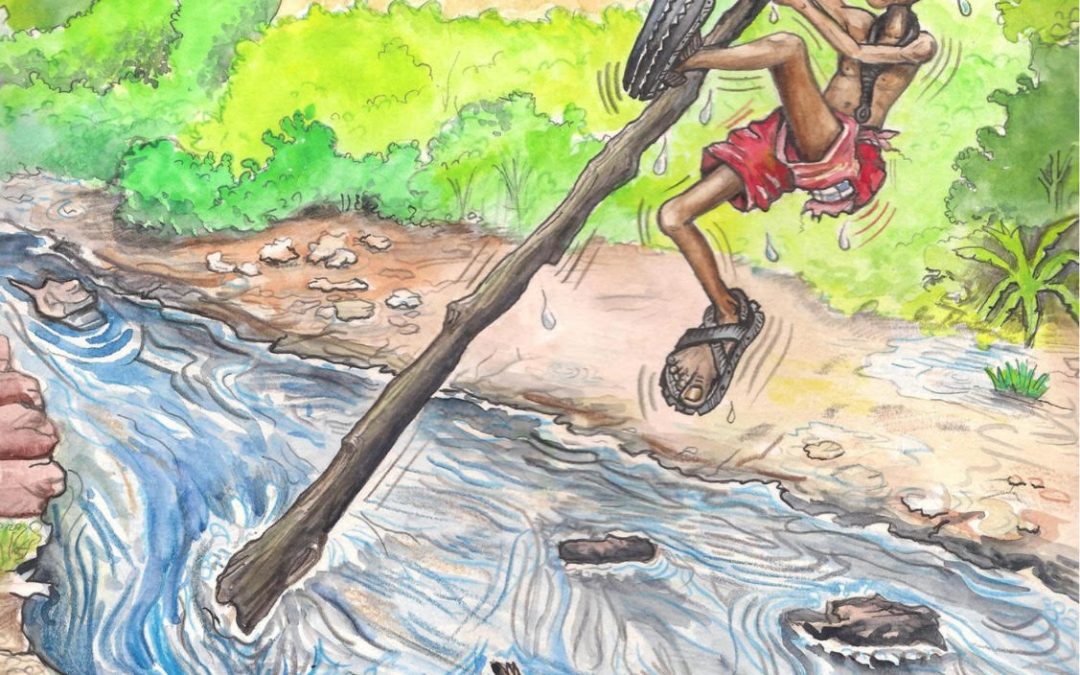
Did you know that malaria is a major health problem? That 3.2 billion people around the world are at risk of infection and death? That people living in Africa south of the Sahara are particularly more vulnerable? RELATED: Why food, agriculture and nutrition should be...
Growing fruit in tight town spaces requires selecting varieties bred on dwarfing rootstocks or kept in pots. RELATED: What is the difference between red and green lettuce? 1). Depending on your climatic zone and size of land, you may consider compact dwarf fruit...
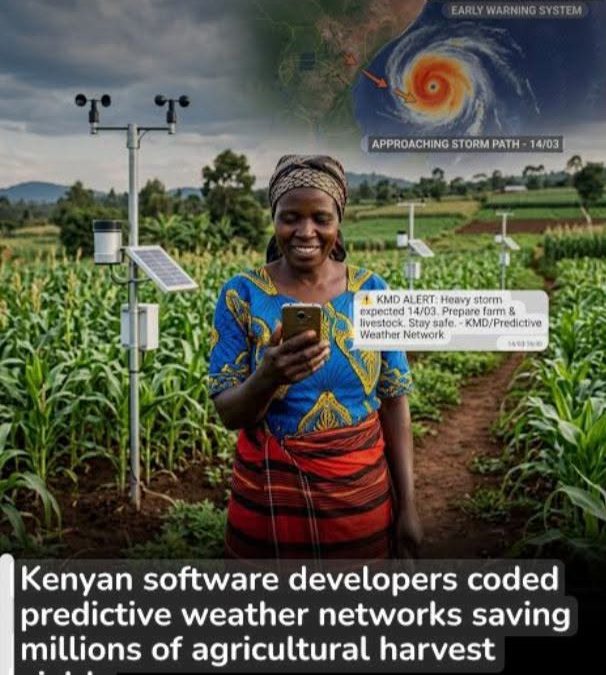
Timely access to reliable early warning and climate information from meteorologists can help farmers prepare for both the opportunities and the risks associated with enhanced rainfall or extended drought. RELATED: Africa to Scale Up Food Production Through Technology...
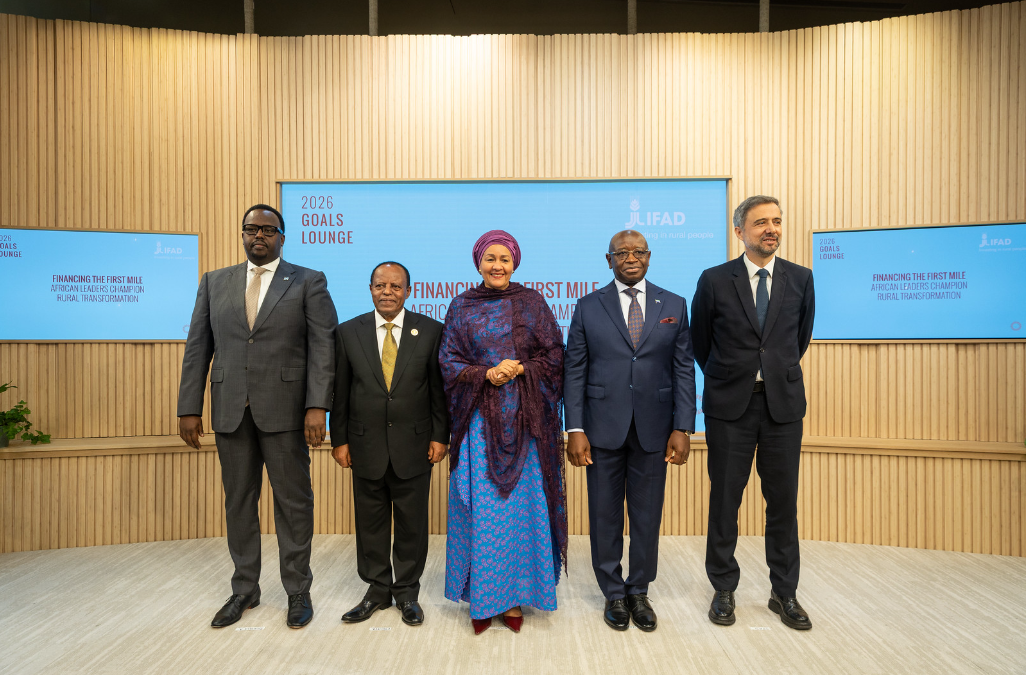
Ten African countries are increasing their contributions to the International Fund for Agricultural Development (IFAD) and calling on international partners to match their ambition to accelerate rural transformation. Burundi, Chad, Ethiopia, Guinea, Kenya, Rwanda,...
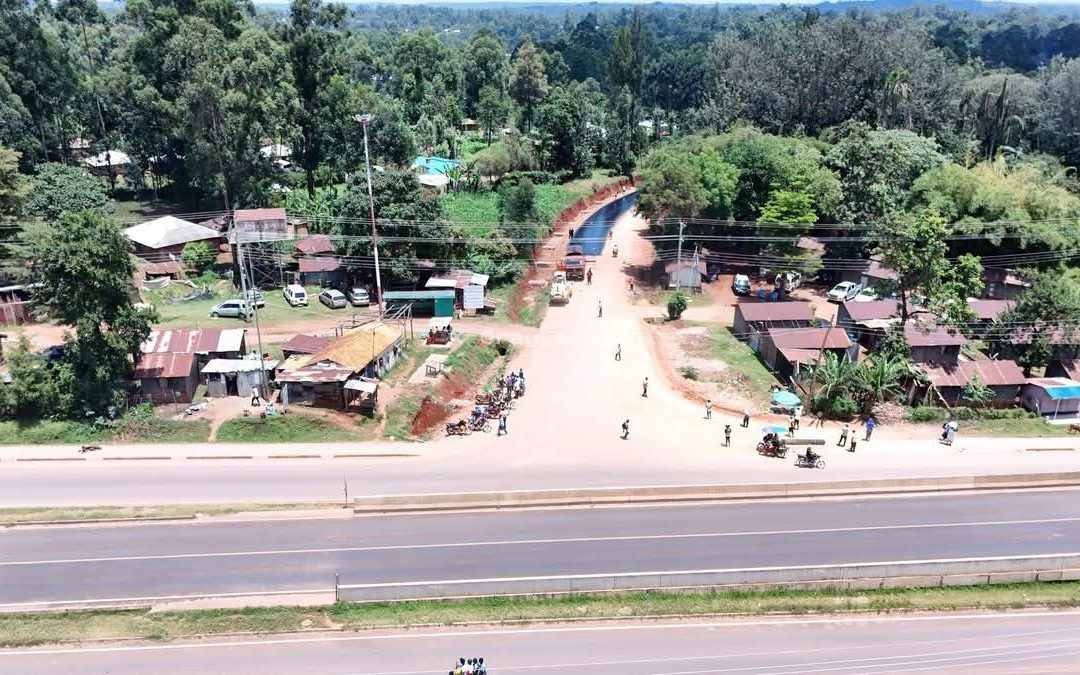
Tarmacking is ongoing along the Sh953-million, 11-km Chavakali–Eregi–Lusiola–Musoli–Malinya Road. RELATED: Why Africa’s Burgeoning Population is Good for Agribusiness The project, under Kenya Rural Roads Authority (KeRRA), is upgrading the road to bitumen standards....
Peppers are the edible, fruit-bearing plants widely used as vegetables or spices in cuisines. 1). Peppers are categorised as either sweet (mild) or hot (chili) 2). Peppers require: i). well-draining, loose, fertile soil ii). warm weather (22 - 32 degrees Celsius)...