

 Did you know that malaria is a major health problem? That 3.2 billion people around the world are at risk of infection and death? That people living in Africa south of the Sahara are particularly more vulnerable?
RELATED: Why food, agriculture and nutrition should be integrated in urban planning
1). Due to inadequate and inaccessible health facilities, majority of people living in rural communities depend on traditional medicine from plants to treat illness
2). Much indigenous knowledge is undocumented and risks being lost
3). Researchers are now documenting the plants used in the management of illnesses such as malaria
RELATED: Advantages of plastic water storage tanks
4). ‘Medicinal Plants Used for Management of Malaria Among Luhyia Community Of Kakamega East Sub-County, Kenya’
has been published in the Journal of Ethnopharmacology
5). The study records plant names, parts used, mode of preparation and administration and the sources of plant materials
6). The study calls for documentation and preservation of the ethnomedical knowledge and conservation of the economically and medicinally important plants in this community
RELATED: Global Data Platform to Capture and Facilitate Remittances for Development Launched
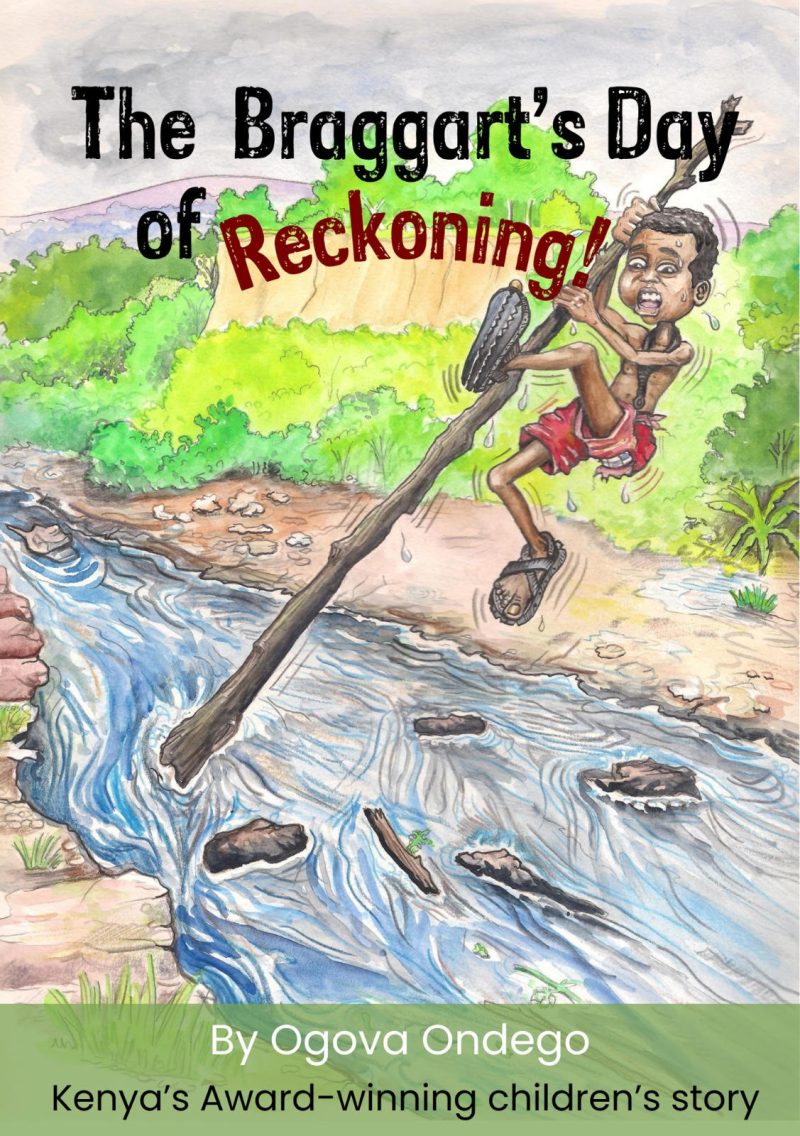
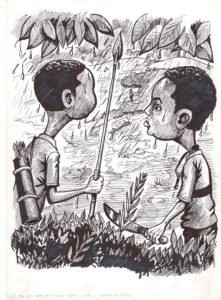
 7). Kakamega East or Shinyalu sub-County, the area where the study has been carried out, is also the setting of The Braggart’s Day of Reckoning, an award-winning children’s fiction described by Kenya’s Directorate of Culture as ‘a glimpse into the richness of the fast-diminishing African village life’ and as ‘an invaluable source to students of social sciences, environmental studies and philosophy’8). In The Braggart’s Day of Reckoning, the protagonist, a 12-year-old boy, seeks a cure for his ailing younger sister from the dark and impenetrable Kakamega equatorial rain forest in spite of the dangers lurking behind the sky-clutching trees, man-eating plants angry rivers that swallow cattle and octopus-like creepers whose tentacles and tendrils trap and consume anything that comes in their way9). Everyone living around Kakamega Forest, The Braggarts Day of Reckoning says, depends on plants for medicine, food, cosmetics, fuel, insecticides and building material
RELATED: What is the difference between red and green lettuce?
10). Shinyalu or Kakamega East ‘is mainly a rural set-up served mainly by dispensaries and health centres
11). Kakamega Forest is the only tropical rain forest in Kenya and the main source of herbal medicine for rural communities in the region
12). Both The Braggart’s Day of Reckoning and Medicinal Plants Used for Management of Malaria Among The Luhyia Community of Kakamega East call for conservation for posterity.
#medicine #fuel #shelter #food #conservation #medicinalplants #kakamegaforest

0 Comments