

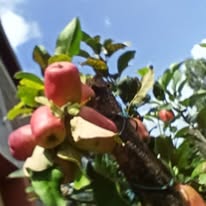
 Growing fruit in tight town spaces requires selecting varieties bred on dwarfing rootstocks or kept in pots.
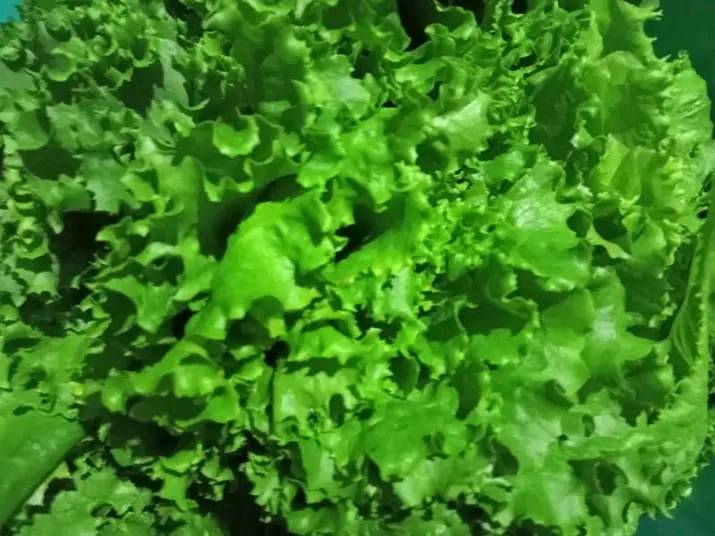
RELATED: What is the difference between red and green lettuce?
1). Depending on your climatic zone and size of land, you may consider compact dwarf fruit trees, self-pollinating citrus and container-friendly berries for your urban farm
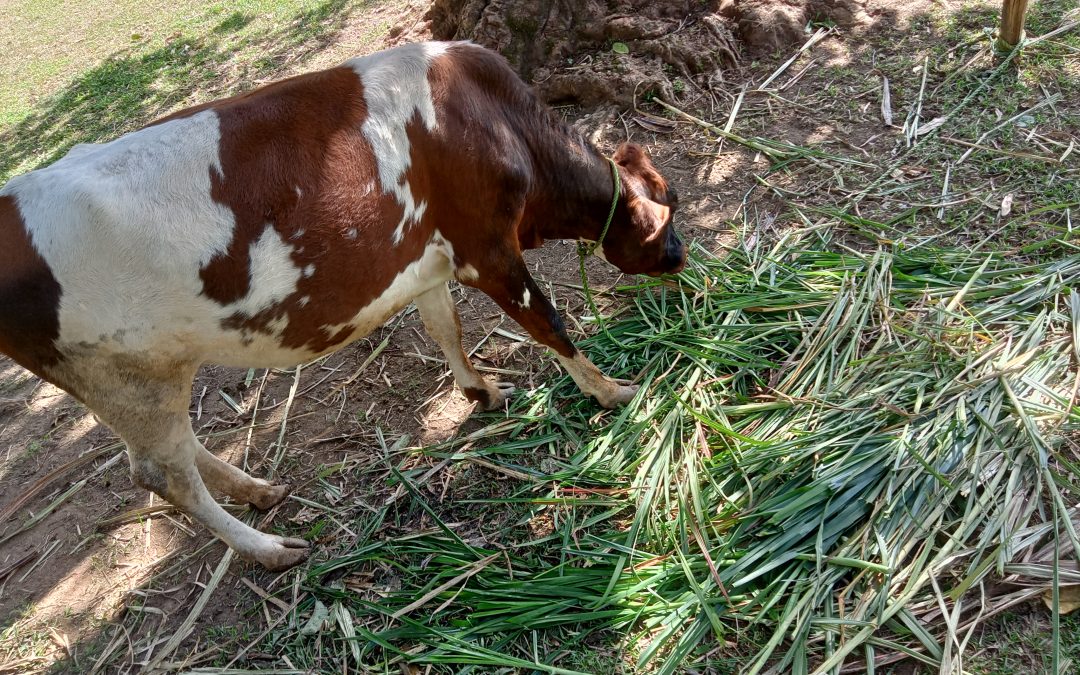
RELATED: Seven Advantages of Zero-Grazing for Dairy Cows
 2). Top fruit options for small urban spaces include:
i). Dwarf citrus varieties like Meyer lemons, Pixie tangerines and key limes thrive in large pots and stay naturally small
ii). Columnar apples and pears grow vertically in a tight 2-to-3-foot footprint rather than spreading wide
iii). Cultivars like Dwarf Everbearing or Mojo Berry stay under 8 feet and produce fruit quickly
iv). Compact fig varieties like Little Miss Figgy or standard figs hard-pruned into bush or cordon shapes adapt effortlessly to small yards or large containers
v). Patio peaches like Bonanza and miniature nectarines yield full-sized fruit on miniature frames
RELATED: Basic Facts About Pepper Farming and Consumption
 vi). Dwarf lemons grow easily in 40–60cm containers or compact garden corners, staying small with regular pruning while yielding dozens of fruits
vii). Pixie oranges feature a compact, ornamental growth habit that adapts to restricted yards and cooler microclimates
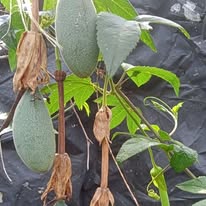
viii). Tree tomato or tamarillo reaches maturity within 18 months and handles cool highland evenings with ease
ix). Pawpaws or papaya have a slender, vertical trunk that requires minimal ground footprint and bears fruit within 24 – 48 months
x). Grafted Hass avocado can be managed with intensive pruning in smaller yards, though it requires a bit more dedicated corner space than true dwarfs.
RELATED: High on Returns, Low on Input
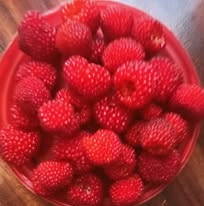
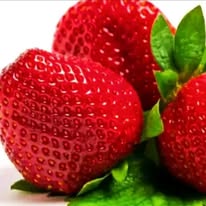 3). Equally popular fruits for urban farming are strawberry, pepino melon, gooseberry, banana passion, purple passion, guava, loquat, pomegranate, raspberry and mango
4). Tips for successful urban fruit farming:
i). Pick varieties that do not need a second tree nearby for cross-pollination, saving precious space
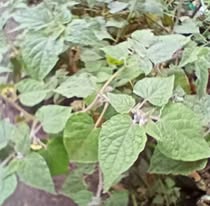 ii). Potted growth restricts root space, naturally managing tree size while allowing you to position plants for optimal sun
iii). Prune regularly to keep canopies manageable and light accessible to all branches.
#fruits #farming #incomegeneration #nutrition #health #foodsecurity #concretejungle #stress #greenspaces #carbonfootprint #pollution
RELATED: Why early warning and climate information matter in farming






0 Comments