

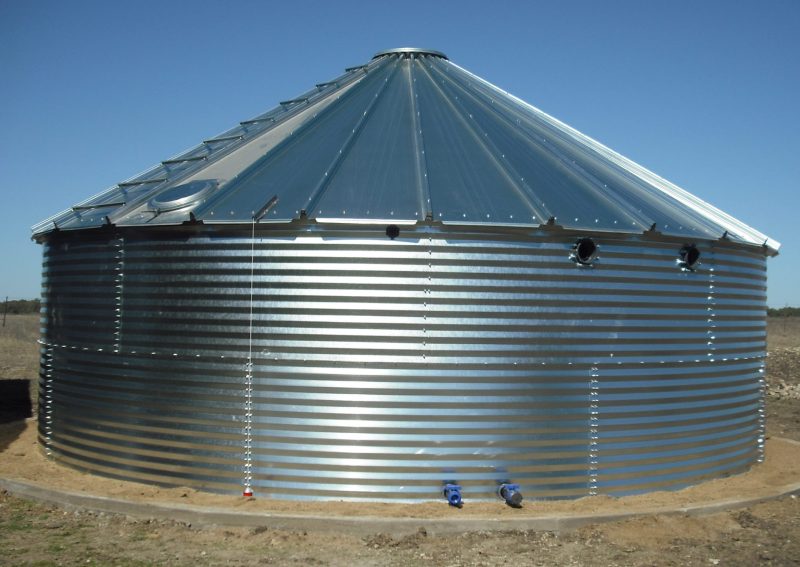
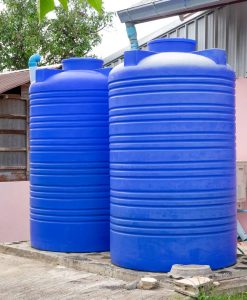
 Due to the unpredictable water situation in many parts of Kenya, it is important to conserve and store it for industrial and domestic use.
For such uses, water storage tanks come in handy. They should be durable, hygienic and maintenance-
free.
There are three common types of storage tanks:
i). cement
ii). metal
iii). plastic.
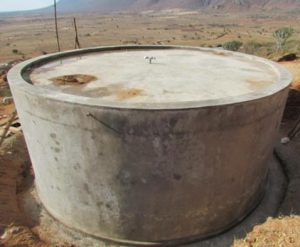
Cement tanks need to be cured. If this is not done at the right time, they crack.
RELATED: 7 Ways to Keep Your Poultry Active, Healthy and Happy
 Although metal tanks were for a long time very popular, the popularity is waning due to rust which
shortens their lifespan, a case that is made worse by salty water.
The rust also contaminates the stored water.
To avoid rust, the outer sides of this type of tanks must be painted while the inside is coated with tar. Rusted joints must be welded, a process that is not only expensive but inconveniencing.
RELATED: What’s the Nutritional Value of Sifted Maize Flour?
 Plastic tanks do not corrode or contaminate water. They do not need to be soldiered with lead which may leak
into the water. They neither leak nor need curing, painting or coating with tar;
They are lighter and easier to
transport and install. They do not crack during drought and many of them are stabilised against ultraviolet rays
and therefore last longer.












0 Comments