

 Weather forecasting for October – December 2026 indicates that most parts of Kenya are expected to receive above-average rainfall that’s likely to lead to floods, soil erosion and displacement of people.
RELATED: Why food, agriculture and nutrition should be integrated in urban planning
Farmers can prepare to tackle the anticipated El Niño rains by:
1). Digging trenches and clearing blocked channels around fields to direct excess water away from crops
2). Planting crops like potatoes on raised ridges so roots do not sit in stagnant water
RELATED: Seven Advantages of Zero-Grazing for Dairy Cows
 3). Gathering mature crops like maize before heavy downpours cause rotting or lodging in the field
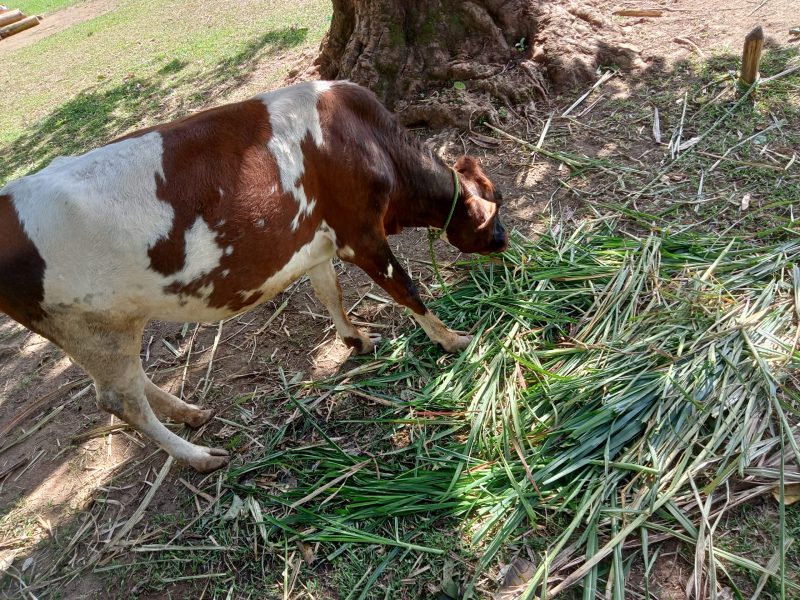
4). Storing dry hay, silage and fast-growing fodder to feed animals during wet conditions
5). Repairing animal sheds and moving livestock to higher, safer ground away from flood paths
RELATED: Ever Tasted, Let Alone Grown, Black Maize?
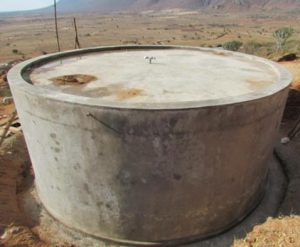
6). Desilting water pans and setting up storage tanks to capture runoff for future use
7). Scouting fields often for fungal infections like late blight which thrive in wet, warm conditions
8). Choosing short-maturity or moisture-responsive crops suited to their specific regions.
#elnino #weather #floods #thunderstorms #winds
RELATED: What and How to feed Sick Poultry







0 Comments