

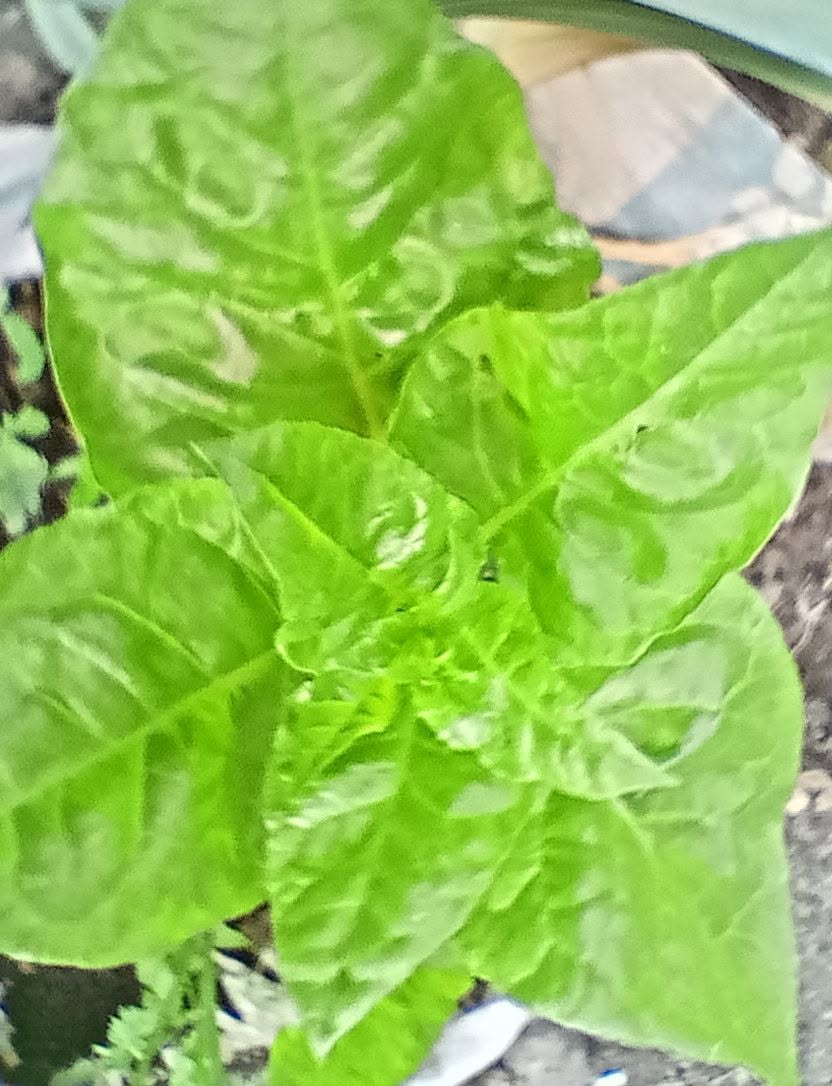
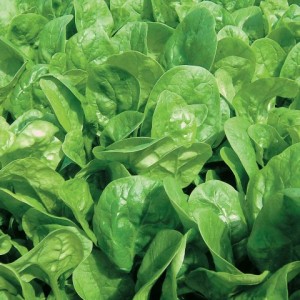
 Growing dwarf or true baby-leaf spinach commercially in Kenya is generally considered a bad idea because the local consumer market overwhelmingly demands high-volume, large-leafed varieties like Fordhook Giant or Swiss Chard.
1). Local open-air markets and the standard consumer base treat spinach as a heavy, continuous-harvest cooking green, often conflating true spinach with hardy Swiss Chard
RELATED: All you need to know about pepino melon
2). While dwarf spinach has niche appeal for high-end salad markets, relying on it for a broad commercial agribusiness model presents major structural and financial risks:
i). Local vegetable vendors and households look for large, dark-green leaves that can be bunched tightly and chopped efficiently. Dwarf or baby-leaf spinach is virtually unrecognizable to the mass market as a primary cooking green
ii). The market for dwarf spinach is strictly limited to high-end urban supermarkets, high-income health-conscious consumers and continental restaurants in hubs like Nairobi or Mombasa. Trying to offload a massive harvest to the general public if your premium buyer backs out will result in loss
RELATED: How to Turn Africa Into a Food Powerhouse
 iii). Commercial favorites like Fordhook Giant allow farmers to prune only the outer leaves, enabling a single plant to yield weekly harvests for 3 to 4 months. Conversely, dwarf spinach is often harvested all at once as a single bunch or uprooted, eliminating continuous cash flow
iv). Kenyan brokers buy greens by the weight or by massive standardized bunches. Because dwarf leaves are small and light, you require significantly more land, seed density and labour to achieve the same market tonnage as a standard chard or kale crop
RELATED: What’s the Nutritional Value of Sifted Maize Flour?
v). True flat-leaf or dwarf spinach varieties have highly tender, thin skins which lose moisture and wilt at an alarming rate under the hot Kenyan sun compared to thick, rib-veined local greens
RELATED: Global Data Platform to Capture and Facilitate Remittances for Development Launched
 vi). Unless you have immediate access to specialized cold storage or refrigerated transport, dwarf spinach will yellow and decay before reaching the market. The standard logistics network of transporting open-air sacks on motorbikes or open trucks will crush and ruin the tender crop
vii). True spinach varieties are highly sensitive to day length and heat. In many parts of Kenya, even minor heat spikes will cause dwarf varieties to bolt, i.e prematurely produce seeds, with the leaves immediately becoming unmarketably bitter and tough.
#vegetables #spinach #swisschard #dwarfspinach #giantspinach






0 Comments